
A Conversation with Mr. Jaime Augusto Zobel de Ayala
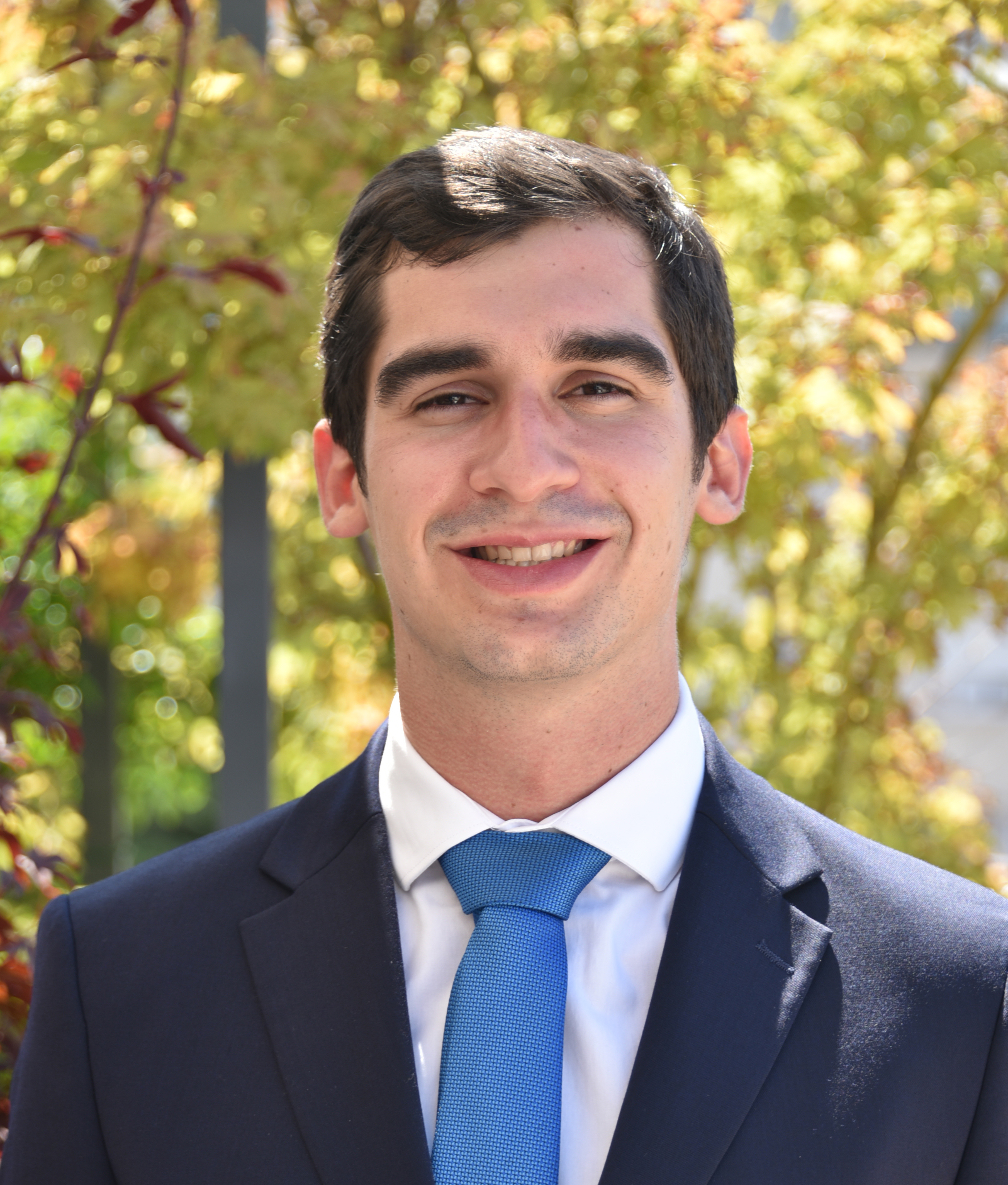

HBS MBA ’87, Chairman of the Ayala Corporation
I’ll be brief, as my words are the least interesting part of this article.
In May 2026, we—all first-year students at the time—flew from Boston to different parts of the world to complete our last assignment of our first year at HBS. I wanted to go to Asia—I am from Europe, and I have lived in South America and Africa; Asia was the part of the globe I knew the least. So, after a 12-hour time-zone difference, I landed for the first time in Manila, the Philippines. It was hot and humid.
I won’t attempt to do a short synthesis or interpretation of a country with such a long history, as I am just a Portuguese who is not a prolific or talented writer and who would not be able to find the right words to do justice to its rich culture and to the warmth and generosity we experienced there.
But I would like to bring something much better than my own words.
Lucky for us in Manila, on our first day, we were taken to meet with Mr. Jaime Augusto Zobel de Ayala (HBS MBA ’87), Chairman of the Ayala Corporation, for a conversation. During this conversation, I found in Mr. Ayala a very particular and rare ability to communicate. Mr. Ayala communicates in an aphoristic style—aphorisms are extremely simple and short statements that express a general truth and moral wisdom about life.
Aphorisms are anchored in the idea of striving to be reasonable, fair, and truthful in looking at life, derived mostly from self-reflection and learned sometimes from the courage of looking into our own faults and missteps.
And we might think that aphorisms are banal, but what we are actually inundated with, especially in a fragmented media landscape, are platitudes – overused statements that lack original thought or deep meaning, offering quick, easy comfort or making us sound wise and thoughtful. James Geary, Adjunct Lecturer in Public Policy at HKS, reflects on this in a fascinating article for The Atlantic titled “Aphoristic Intelligence Beats Artificial Intelligence.” As he puts it: “A platitude is a placebo for the mind; an aphorism is a wake-up call.”
I also see aphorisms as an act of great generosity. Aphorisms are hard to formulate, but they are often born out of the same desire a parent has to pass on easy-to-remember and useful simple truths to their children, far more useful in guiding a fruitful life than sometimes other material gifts.
So, I was struck that on that first hot and humid day in Manila, with a 12-hour time-zone difference, when we sat down to hear the first business leader I heard in this country, I felt I was listening to a Berkshire Hathaway Annual Shareholder Meeting with what might have been the greatest business communicators in recent American business history, the aphorism-rich Warren and Charlie.
Returning from Manila, I reached out to Mr. Ayala, and he was kind enough to share some of his thoughts in writing to be shared with the broader HBS community.
Thank you, Jaime.
***
How did your experience at HBS as an international student shape your worldview and leadership journey?
My experience at Harvard Business School was transformative, and I continue to be deeply grateful for it. I was fortunate to meet wonderful, intelligent, and committed people from many different backgrounds, many of whom went on to become leaders in their respective fields. Some of the relationships formed there have lasted a lifetime. I remain close with my study group, and we continue to meet annually as friends.
Harvard College and the Business School also gave me frameworks and structures to analyze problems, introduced me to mentors, and instilled in me a discipline of thinking that has shaped the way I view leadership and the role institutions play in society. I learned the importance of understanding a problem and its potential solutions before acting from a variety of points of view. It also taught me the importance of bringing together people with different perspectives, and mobilizing them towards a singular purpose.
At the same time, being an international student was an equally important part of that education. Engaging with people from different countries, cultures, and economic contexts broadened my understanding of how differently societies and institutions can evolve. It made me more conscious of the assumptions and lived experiences we all bring with us, and that anyone and everyone has a unique perspective to bring to the table.
Coming from the Philippines also gave me a particular perspective. I was constantly comparing what I was learning with the realities of an emerging market, where institutions may be at different stages of maturity, where social challenges can be more pronounced, and where businesses are often called upon to play a broader role in national development. That tension between global ideas and local context became an important part of how I view my own country and the role institutions play in development.
One of the most enduring lessons from my journey is that leadership cannot simply be about building a successful enterprise. Institutions derive their legitimacy from the value they create for the societies in which they operate. For businesses, that means thinking beyond financial performance and engaging in efforts that foster trust, expand opportunity and inclusion, and promote long-term stewardship.
My years at Harvard ultimately helped shape a worldview that is both global and deeply rooted in the Philippines. I gained the confidence to learn from the best ideas and practices from around the world, while also recognizing that they must be adapted to domestic circumstances.
This has stayed with me throughout my time at the helm of Ayala, and I continue to espouse it even as the next generation of the company’s leaders emerge. I have increasingly come to see that leadership is mostly about creating the conditions for talented people to contribute, encouraging different points of view, and ensuring that an institution continues to evolve with the needs of society.
What is your perspective on the Philippines and the potential of emerging markets, and why did you choose to return to the Philippines?
There is great potential and energy in emerging markets, and the Philippines is no different. Compared to more advanced economies, there are tremendous gaps in even the most basic of services that many people take for granted. Emerging economies deal with a plethora of challenges, and with government funding spread thin across several priorities, there simply aren’t enough resources to address all these deficiencies.
People can just choose to be resigned to their situation, simply rely on their governments, and complain. However, for us at Ayala, we would rather be a meaningful contributor to the communities that host us and address development pain points. We would not be here if it were not for the trust that we receive from our stakeholders. We see a convergence in our goals as an enterprise and in the aspirations of our stakeholders. I think it’s because of this that emerging markets present what perhaps is the most interesting and transformative opportunity for organizations today – enlarging the economic pie and bringing more people into the economy through the relevant products and services that we can offer.
My Harvard education introduced a variety of ways to frame challenges and work with teams to find imaginative and suitable solutions. However, I found that some of these were not fully compatible with, and relevant to, the needs of an emerging economy. Over time, I immersed myself in the country, spending around 20% of my time in the non-profit sector to better gain a pulse on the socioeconomic needs of the country. I also built a network of like-minded peers who had also wanted to be a positive contributing force for their communities. I realized as well that I had the ability to convene people, mobilize resources, and provide new ideas to promote inclusive businesses. We experimented at Ayala with business models that solve key pain points at different price points.
I am delighted that many of these paid off and have become key parts of our success. I was influenced by individuals like Professor Kash Rangan, and his ideas about doing business at the bottom of the pyramid, as well as Professor Clay Christensen’s thoughts on disruptive innovation.
What is your leadership philosophy, and how do you approach building strong teams?
I have always believed that no one has a monopoly on knowledge and good ideas. Teams are at their best when they are empowered to perform their tasks in the best way that they believe is possible. There might be times when interventions from team leaders or supervisors might be necessary, particularly in situations with significant levels of risk, or if the teams appear to be veering off an agreed course. Different circumstances require different styles of leadership, but in general, I believe that empowering capable individuals with clear objectives produces good results.
Early in my tenure as CEO, my brother, Fernando – who was at Harvard College with me – and I established a Group Management Committee, composed of all the CEOs and key executives across Ayala. This was a powerful platform to share ideas, consult with industry experts, and find ways to work together. Many projects and even major investments were born from this collegial body of peers. At the operating level, Ayala has several Councils spanning different corporate functions – HR, Communications, Policy, Sustainability, Strategy, Treasury, and the like. We have found that having forums for people to exchange best practices and build a combined knowledge and experience leads to good results.
Perhaps as an additional point, we should not discount the power of a clear and compelling purpose and vision for the organization. People have ambitions and personal goals, but they are motivated more significantly if they can aspire to go beyond their personal goals to achieve broader, more encompassing goals. At Ayala, we have formalized our purpose as a group as a builder of businesses that enable people to thrive. This sense of purpose has enabled us to energize our employees and provide them with a clear reason as to why our institution exists in the first place.
What is your perspective on building successful family-owned enterprises across generations?
We have been fortunate at Ayala to have established an institution that has endured for almost 200 years. Family leadership in enterprises allows business to have a degree of stability that companies with a very broad shareholder base sometimes do not have. Family enterprises are able to infuse some of their family values and principles into their organizations, and nurture them over the long term.
We have professional managers running key functions within the Ayala Group and this has contributed to our longevity and success. In fact, our current CEO, Cezar Consing, is the first non-family member to have held the CEO position at the holding company, since the company’s founding in 1834. He has done an excellent job in steering Ayala through these challenging times, enhancing our efficiency and focus, and positioning the organization for greater growth in the foreseeable future.
I am part of the 7th Generation of our family in the enterprise. The 8th Generation has been steadily contributing and leading over many years within Ayala and has now emerged as senior leaders in their respective businesses. This is alongside many of their peers, who are also young professionals and have taken on greater responsibilities in the company. I think this healthy combination of long-term stewardship and capable professional management is a potent force to ensure the continuing viability and success of a family enterprise.
How do you see the future of AI and innovation, and what role do you think the Asia-Pacific region will play in that global race?
Artificial intelligence and new technologies are exciting developments that stand to shape how economies will operate and how people will live. Tremendous developments are coming out of the West, but we should not discount the creativity and ingenuity of scientists and entrepreneurs here in Asia.
Asia already plays a large role in the AI and new technology space. Asia is a global leader in mobile connectivity, electric vehicles, microchips, and even in new applications and platforms as seen in financial technologies and new media. Asia likewise has a young and technology-literate population that can drive this industry for many years ahead.
I see tremendous opportunity not just in the hardware and software that directly enable artificial intelligence. There are also opportunities in the adjacent industries – data centers, programming, renewable energy, sustainable cooling systems, and the like. In the Philippines, our own company has partnered with a Singaporean company to position the Philippines as an alternative hub for data centers, as primary markets steadily reach maturity. Ayala also has a significant presence in renewable energy that can power these facilities, alongside the industrial estates that can host these high-tech hubs.
I am hopeful that the future of technology will be written and driven by Asia, given its many advantages.
What responsibility does business have to society, and how can business be a force for good?
I think every institution has a role to play in shaping a society towards prosperity and progress. I believe that businesses are very powerful engines for innovation and economic growth, which can bring transformative change to society.
The profit motive can be a powerful tool that pushes entrepreneurs to create game-changing innovations that benefit society. However, I would argue that businesses are only capable of operating in a community if they have earned the public’s trust – and this trust can only be earned by being a positive contributor to the lives of stakeholders. Businesses can be powerful value-creating institutions. Conversely, breaking a customer’s trust with the sole purpose of pursuing higher profits or monopolizing a market is potentially value-destructive. Profits should be combined with positive externalities and contributions to the broader community.
Ultimately, every institution aspires to remain relevant. This relevance is maintained by being attuned to addressing societal pain points and offering solutions to solve these challenges.
Are there any final thoughts you would like to leave us with?
Finally, a few words on succession. Organizational transition is part of any executive’s responsibility but often does not receive the attention it deserves. After twenty-seven years as CEO, it was the global pandemic that gave me the time to reflect on my leadership journey. I had the good fortune to have my whole family with me during this difficult period, and it gave me the insight that my personal priorities were changing. In addition, fresh ideas and new perspectives are healthy for any organization. I realized it was time to formalize leadership transitions and I proceeded to work with my board to establish this.
I have transitioned to a Chairman role, and also joined other boards and advisory roles to keep my mind engaged. Mentoring, advising, and helping individuals and institutions now provide me with as much satisfaction as creating value once did. It has also led me to focus on my health, have more meaningful friendships, and enjoy my family in more substantial ways.
***
P.S. Let me thank Mr. Ayala and his team once again for their generosity and availability.
A special thank you to Professor Pietro Satriano, who supported this idea, and to Professor Chet Huber and the great team who accompanied us to Manila.
And thank you to my team in Manila, Mary Joy, Nadia, Nick, Arthur, and Connor, and to the amazing, generous, and inspiring team at NutriAsia, especially Pau, Gretchen, and Ampy.

João Sátiro Coelho (MBA ‘27) is originally from Faro and Lisbon, Portugal. He graduated from Instituto Superior Técnico with a master’s in architecture. Before HBS, João practiced architecture, then worked at McKinsey & Company in Lisbon, served as a direct advisor to the Mayor Carlos Moedas at Lisbon City Hall, where he focused on several initiatives, including coordinating the city’s partnership with Bloomberg Associates, the consulting arm of Bloomberg Philanthropies.


Comments