
Inside the Making of Jade Kitchen
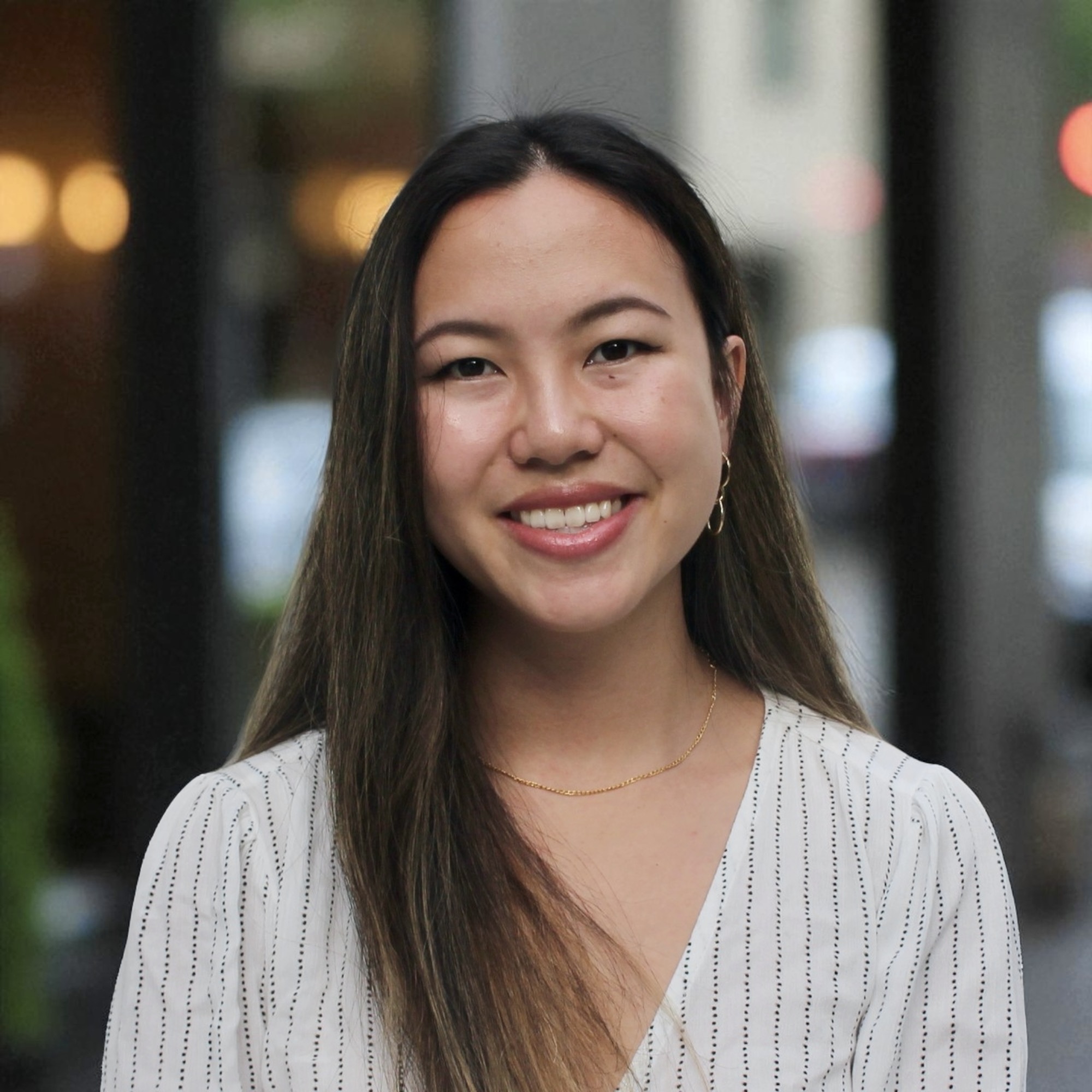

Jessie Yang reflects on building, running, and ultimately shutting down her meal service startup
On Sundays, while most of her classmates wrapped up case prep or just took a breather from the week, Jessie Yang (MBA ’26) was in the kitchen. For 10 to 12 hours at a time, she cooked, portioned, and packed dozens of homestyle Chinese meal boxes. Alongside a few volunteers, Yang prepped proteins, washed and chopped vegetables, labeled containers, and rented a Zipcar to deliver meals across Boston. Jade Kitchen, the healthy Chinese meal service she built while juggling a full-time MBA at Harvard Business School, depended on that demanding work.
What started as a personal craving for nourishing, homecooked food grew into a business with loyal customers and real revenue. For Yang, turning Jade Kitchen into a fully operational company meant learning how to build it, operate it day-to-day, and ultimately decide when it no longer made sense to continue.
What’s for Dinner?
Yang came to business school hoping to pursue entrepreneurship after spending the first five years of her career working in big tech. Seeking more autonomy than large organizations allowed, she decided to use her two years to test an idea of her own.
The idea for Jade Kitchen came from a familiar problem. While in corporate, Yang often found herself too tired to cook after the workday, craving Asian food that was both healthy and satisfying.
“It just felt like it was such a barrier in my life that I wanted to solve it for myself,” she said. “I wanted something that felt like my mom’s cooking. My parents cooked every meal from scratch every night. The problem is, if you’re one person, ordering family-style takeout doesn’t work—you spend $60 or $70 and eat the same food for days. I wanted that light, home-cooked taste in a single-serve format.”
Cooking for Classmates
Yang started by trying to understand whether others shared the same frustration. In the fall of 2025, she sent out a survey to classmates and followed up with informal recipe-tasting nights based out of the McCulloch dorm kitchen. Dozens of classmates responded and showed up, drawn in part by the promise of free food.
The first night was chaotic. Yang had never cooked at scale before, and coordinating timing, portions, and logistics was harder than expected. But during the second night, someone asked a simple question that changed everything: “Could I pay you for this?”
The meals themselves were inspired by her upbringing. “A lot of the early boxes were my favorite dishes from my parents,” Yang said. “My mom’s chicken and celery stir-fry with wood ear, and my dad’s hong shao ribs with potatoes.”
From there, Yang built a customer list from those original set of classmates, delivering meals around campus and refining recipes week by week.
Beyond the Dorm Kitchen
As interest grew, it quickly became clear that cooking out of the McCulloch dorm kitchen was not sustainable. To test whether demand for her meal service existed outside the HBS bubble, she began posting about Jade Kitchen on TikTok and Instagram over winter break.
To her surprise, Yang’s first video went viral, reaching more than 500,000 people within days and drawing the attention of people across the country who said they loved the concept and wished it were available near them. With that validation, Yang began to think more seriously about what Jade Kitchen could become. She envisioned building a healthy Asian alternative to mainstream meal delivery companies like Factor.
Turning that vision into reality meant moving out of the dorm kitchen and formalizing operations. By the summer of 2025, she began experimenting with different production setups, first partnering with a local restaurant and later renting time in a commercial kitchen.
That shift quickly changed the nature of the work, requiring Yang to coordinate schedules, source more ingredients, and manage people and production. While Jade Kitchen attracted a small handful of volunteers, Yang was deeply involved in every step. She developed recipes, cooked most of the dishes herself, delivered meals, and made sure there was enough food to meet each week’s orders.
Over the course of 14 weeks, Jade Kitchen generated roughly $8,000 in revenue and served over 500 meals to more than 80 customers. About half reordered, and some ordered every single week, in a few cases buying 40 boxes over time.
“It blew my mind that I created something, turned an idea into reality, and people were paying for it and coming back,” said Yang. “It felt super fulfilling.”
Making It Work
By most measures, Jade Kitchen was working. Customers were returning, revenue was growing, and interest continued to build. But running the business week after week raised a different question for Yang: whether she could—or wanted to—keep going. She found herself questioning what it would mean to commit to years of operating a meal delivery business, particularly in an industry defined by rising labor costs, price-sensitive customers, and a high level of physical involvement.
“The barrier to continuing wasn’t lack of customers or profitability,” said Yang. “It was me. I physically could not do this type of business. I realized I might not be the right person to run this business long term.”
What made the question harder was the sense of responsibility that came with customer traction. By this time, Yang had built a customer list of more than 670 customers in Boston who were notified every time a new menu dropped. Many of her customers were households who had come to rely on Jade Kitchen’s meal service as part of their weekly routine.
“I built very personal relationships with our most loyal customers,” Yang said. “I felt so guilty in the fall thinking, should I shut this down? I felt like I made a promise to my customers.”
At the same time, the reality was that running Jade Kitchen was taking a toll on Yang. “Working on this for a year made me fall out of love with cooking,” Yang admitted. “Being in food service is very manually intensive.”
Closing Jade Kitchen
Yang completed her last run and shut down operations in February. Looking back, Jade Kitchen did exactly what she needed it to do. It turned an idea into a business, but it also helped her understand the kind of work she did and did not want to commit to in the long term.
“I needed to prove to myself that I could do it—that I could take something I was passionate about and see it all the way through,” said Yang.
At the same time, the experience reshaped how she thinks about entrepreneurship. “Being a founder was amazing, but it also came with a constant mental load,” she said. “The biggest learning for me is that passion alone may not be enough. You really have to think about how much you’re willing to sacrifice—financially, emotionally, and personally. That’s a very personal decision.”
For Yang, closing Jade Kitchen was not about failure, but about finishing something honestly and with a clearer understanding of herself, the work, and what she wants to build next.

Katerina Gan (MBA ’27) is originally from Riverside, California. She graduated from the University of Chicago with a degree in Economics. Prior to HBS, she worked at Linden Capital Partners, a healthcare private equity firm based in Chicago.



Comments