
Much Ado About Fiction

Who’s got time for stories when there's cases to read?
Three weeks into my first semester at HBS, I’ve read more than I did in the three months before. As of writing this, I’ve read thirty cases, a couple hundred emails, and approximately one septillion WhatsApp messages. And yet, I haven’t read a single bit of fiction.
Consider for a moment the assigned reading that an average RC has consumed by this point: 30 cases. At an average of 4,000 words per case, that amounts to 120,000 words (yes, I am preparing to be cold called in TOM). That’s approximately the length of Pride and Prejudice, two things MBA students often get accused of having in excess. Most of us have read the equivalent amount of a full-length novel, yet how many of us have touched an actual novel in this time?
Of course, this is partly due to the overwhelming demands that the start of the RC year places on our time. Most of us are triple-booked, barely managing to complete assigned reading, and wondering how we’re going to keep this up for another year and a half. Partly, it is also due to the nature of reading we are exposed to.
The reading diet of most HBS students is comprised entirely of nonfiction. Cases, market reports, LinkedIn slop—among all these, the closest we’ve had to character fiction might be the tragic tale of Erik Peterson. Nearly all this reading is pragmatic in nature. These texts serve some form of utilitarian purpose, whether that be classroom preparation or industry research or networking. “Productive” reading is granted legitimacy in our schedules; fiction is at best an indulgence. In these contexts, reading is a means to an end, not an end in itself.
Fiction, I believe, stands in contrast to this. Stories are as much about the experience of reading them as they are about the narratives contained within. When I think back to reading The Wind-Up Bird Chronicle, I am transported to the bottom of a well, mired in melancholy. When I remember reading Dune, I am instantly on Arrakis, breathing into my stillsuit. When I recall The God of Small Things, I am immersed in the tainted nostalgia of my pandemic lockdown days. But MBA students love to maximize value, and where’s the value in that?
I believe fiction can offer us two things during our time at HBS. First, I have long believed in the idea that fiction can not only expand our conception of what is, but also our imagination of what could be. We often speak in the classroom of case protagonists—of viewing a business scenario through the eyes of another. Of placing oneself in someone else’s shoes, in an unfamiliar situation, with insufficient information, and no knowledge of what lies ahead. We are transported to a time and a place: Google’s headquarters in August 2026, aboard an aircraft carrier in the middle of the ocean, a table of eight at a Benihana in the 70s. We speak about agreeing and disagreeing with others’ decisions, of empathizing with their predicaments, of what we would have done differently if given the chance. Perhaps it is worthwhile to keep in mind the value of fiction in helping us understand others better. Practicing suspension of disbelief, taking the world before us at face value and immersing ourselves therein, may help us see beyond our own preconceived notions.
Second, fiction gives us a much-needed break from the protagonism of our own lives. Day in and day out, we are each the main character of our own story. Business school is an experiment in agency: here’s a two-year break from your career. What will you do with it? That perennial obligation to do dangles over every second of our time here. Newton’s law dilates; every action has an unequal and irrecoverable opportunity cost. Fiction gives us a chance to step back, to watch as someone else takes the wheel, to imagine what we would have done without the imperative to do it. It is the vaccine for burnout.
HBS itself is a collection of stories. Each year, nine hundred new stories enter this shared world we inhabit. Nine hundred others set off to write their next chapters. The stories of many of those around us might as well be fiction. Places, experiences, and desires that we cannot fathom for ourselves. Motivations that might as well belong to characters in a novel. By exposing ourselves to fiction, we can open ourselves up to better understand the wonderful strangers we share this place with.
If, like me, you find yourself seeking inspiration or understanding during your time here, I invite you to try this: read a little fiction. Dust off that novel on your bookshelf. Open up that totally legitimate pdf of a short story in your Downloads folder. Choose your flavor of lies and take them, for a moment, as truth. Maybe you’ll find something there.

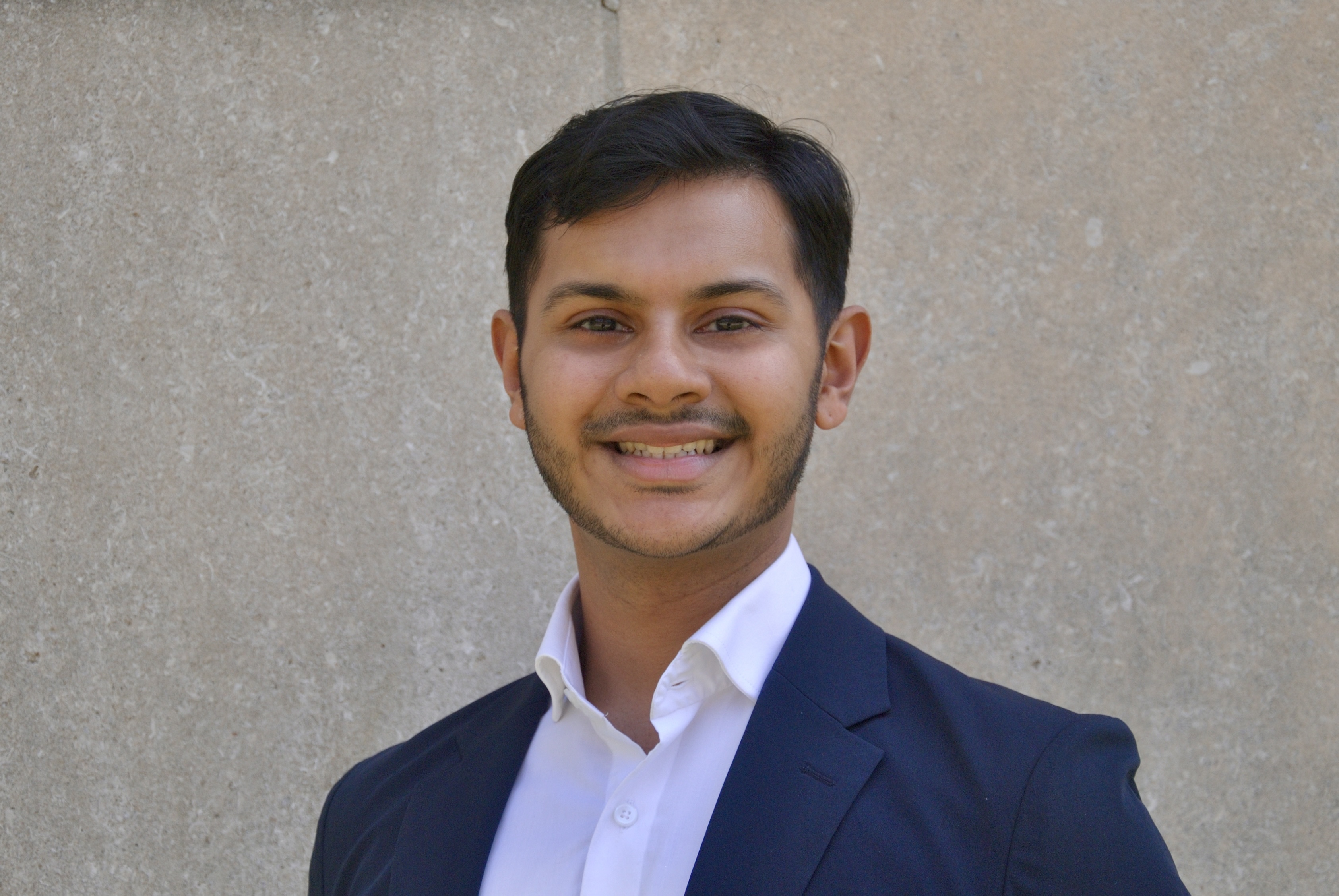
Shreyas Raman (MBA ’28) is originally from Mumbai, India. He graduated from Yale University with a BS in Mechanical Engineering, and began his career building race cars at the Mercedes Formula 1 team in the UK. Prior to HBS, he worked in climate tech in New York City, and spends his free time with a book, camera, or guitar.


Comments