
Professors Stunned to Learn That They Too Are Now Subject to a Forced Curve

After years of grading students on a strict distribution, professors finally get a taste of “the curve”
In a revelation that many faculty members are calling “deceptive,” and “unsettling,” professors at Harvard Business School were shocked this week to learn that they, like the students, will now be evaluated on a strict, mandatory forced curve.
The bombshell was delivered during a normally scheduled faculty meeting in Klarman Hall. After discussing normal faculty topics such as “running over the allotted class time” and “effectively using colored chalk,” school administrators delivered the stunning news to faculty. A quiet hush spread across the auditorium as professors started to process the implications of the news in real time.
“At first I thought it was a joke,” said one newly appointed professor of Finance, who asked to remain anonymous. “I mean, during the interviews, everyone told me HBS is a warm, collegial, collaborative environment. I didn’t know I was signing up for the academic Hunger Games.”
According to newly surfaced documents, the existence of a teaching forced curve was added to the faculty guidelines and reads: All faculty shall be competitively ranked against each other, and the bottom decile will be subject to corrective coaching, performance plans, or, in extreme cases, reassigned to section chair duty.
“I thought students were joking,” says professor who now realizes the truth about the curve
Many faculty, having heard rumors from RC students about “the curve,” assumed it was students being dramatic. “But the students weren’t lying,” confessed a Marketing professor, trembling slightly. “The curve is real. And now it applies to me?”
She looked down at the neat stack of cases and teaching notes on her desk. “Ever since the announcement, I’m already comparing my chalkboard handwriting to other professors’. I caught myself Googling ‘How to cold-call students with compassion’ at 1 a.m.”
Another professor said he had long assumed student paranoia about grade distribution was just a product of over-caffeination. “But no,” he whispered. “This forced curve . . . it comes for us all.”
Professors now frantically repositioning themselves to avoid being “bottom decile”
Within 48 hours of learning about the forced curve, professors reportedly began aggressively optimizing their classroom personas in ways students describe as “kind of desperate,” and “oddly familiar.”
One TOM professor allegedly spent an entire afternoon attempting to calibrate the optimal percentage of time to nod encouragingly during student comments.
A Strategy professor was seen practicing her “listening faces” in the Aldrich bathroom mirrors. Witnesses say she cycled through multiple expressions including ‘supportive curiosity’ and ‘warm reassurance’.
Faculty lounge devolves into paranoia
The faculty lounge, typically an environment filled with free coffee and lighthearted gossip, has transformed into a hyper-competitive psychological battleground.
“I walked in and everyone went silent,” said a new LEAD professor. “I knew instantly they were evaluating me. One professor even asked me, ‘So… how engaging are your lectures on a scale of 1 to 10?’ I think she was trying to benchmark herself against me.”
At least one professor has reportedly begun casually dropping comments like, “I heard Section G really loves my cold calls,” or “students told me I have very clear handwriting.”
Administrators respond with warm indifference
When confronted about the new policy, the administration maintained their usual posture: smiling warmly while offering up generic platitudes.
While glancing at a color-coded faculty roster, one administrator commented, “We simply encourage instructional excellence by ranking professors against one another in a fixed distribution.”
The administrator paused, adjusted his glasses, and continued: “We believe in collaboration. So much so that we want professors to experience the same kind of supportive, motivational environment that students do. And nothing motivates quite like a forced curve.”
Some professors already resorting to questionable tactics
Reports are emerging of professors attempting to sway student evaluations using methods widely considered suspect but, unfortunately, also extremely effective.
One Finance professor began ending every class by wheeling in a tray of warm Dunkin donuts. Students confirm she looks at them expectantly while they fill out feedback forms.
Another professor apparently sent an email encouraging students to write favorable reviews in their feedback forms in exchange for glowing endorsements on LinkedIn.
And in one troubling incident, a new LEAD professor allegedly offered $20 gift cards to Dumpling House to any student who rated his teaching as a “1.”
Students amused to learn professors also spiraling
Students, who had always assumed professors were immune to the academic pressures they themselves suffer, are reportedly watching the faculty meltdown with a mix of confusion, amusement, and satisfaction.
“It’s honestly surreal to see a professor panic because they don’t think they ‘stood out’ enough in class,” said one RC student. “Welcome to our lives.”
Another student added, “I knew things had changed when my professor emailed us asking, ‘Did my cold call technique feel too rehearsed today?’ I got a nice chuckle out of that one.”
Administration offers final reassurance: “This isn’t a big deal”
In a recent announcement meant to assure faculty, the administration clarified that concerns about the forced curve were “nothing to worry about” and “something that faculty will learn to relish.”
“Let’s remember,” the message read, “HBS does not make admissions mistakes. And since we recruit faculty with the same care and rigor as students, we are confident everyone here has the intellectual and psychological resilience to thrive in a forced-ranking environment.”
The email ended with a warm reminder: “If anyone finds this stressful, please consult the ‘Mindfulness Under Extreme Competitive Pressure’ module we’ve added to the faculty portal. There will also be emotional support dogs in the faculty lounge every Friday.”

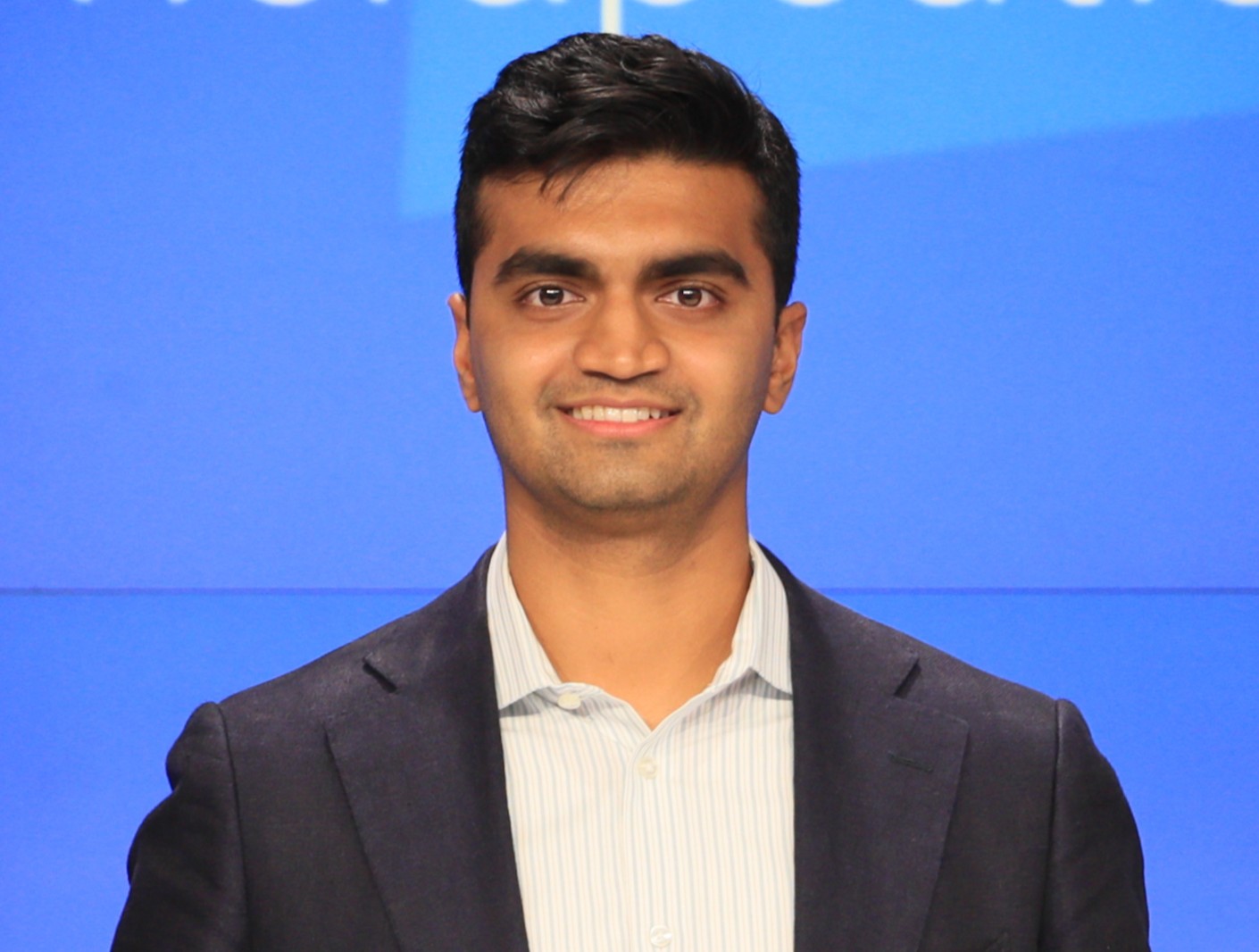
Neeraj Koduri (MBA ‘27) is originally from Kansas City. Prior to HBS, he was part of the Corporate Development (M&A and Transactions) team at Eli Lilly and before that, was the Business Development & Strategy Lead at DICE Therapeutics, an immunology focused biotechnology company. He studied Business Administration and Biotechnology at the University of Southern California.


Comments