
The Return of Long Form Writing
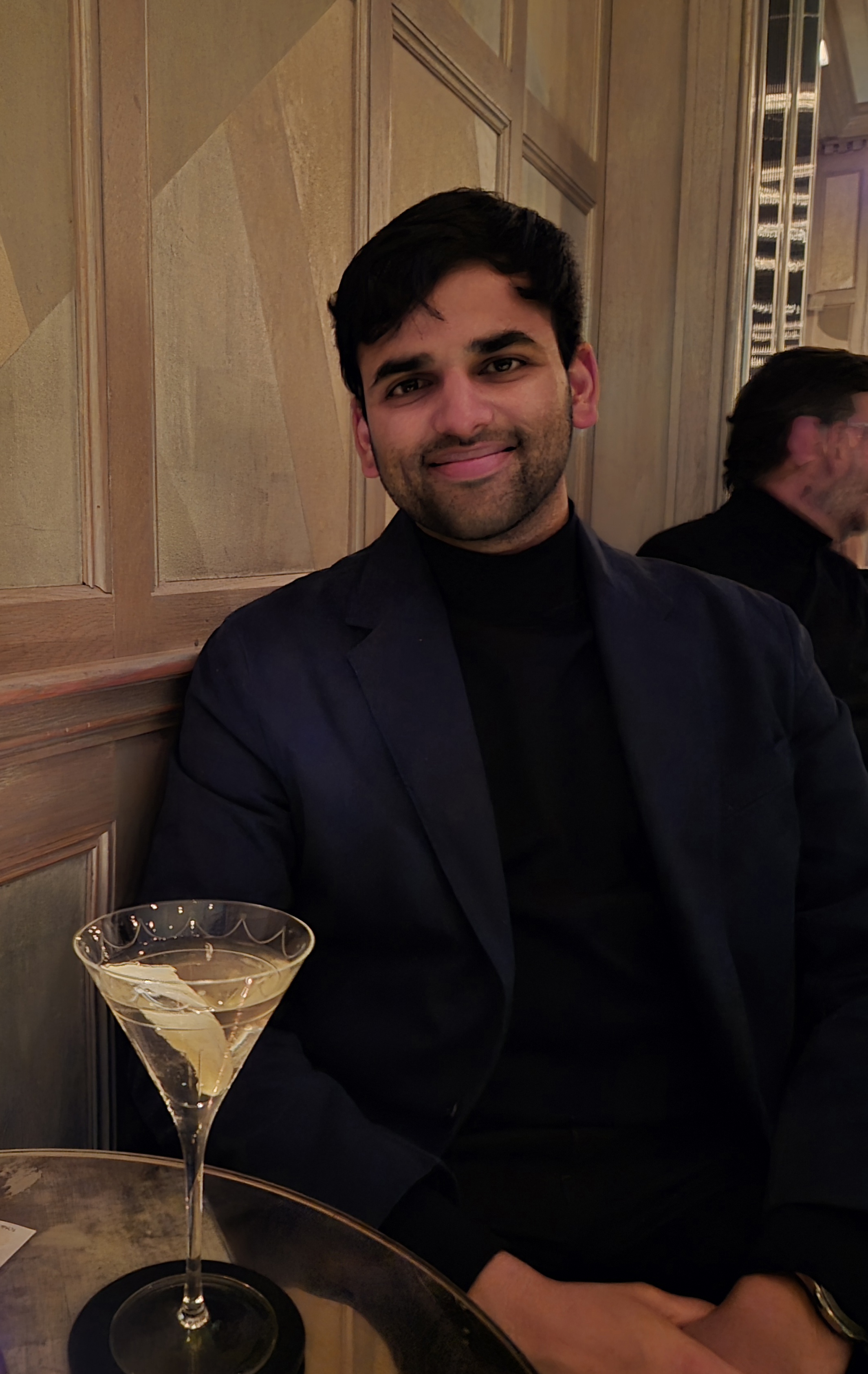

This was a summer of firsts for me. My first AI-native summer, concluding any pub debate in a thrice. The first I had spent in England not playing cricket since I was eight years old. The first time where officially more of my friendship group was married than not.
As interesting as all of the above are, I would like to talk about my first summer regularly reading Substack. I found the experience fascinating after a decade on X (formerly known as Twitter) and Instagram. The content was crisp, precise, intellectual, stimulating, educational, and interesting. The "sponsored" posts didn't feel like advertising. The opinions shared appeared reasonable. I didn't find anything distasteful, extremist, or provocative for the sake of it. Most of all, I found it refreshing that arguments were made over paragraphs, not characters.
Long form writing is a crucial aspect of information sharing. I don't believe it's a coincidence that our politics has become more divisive, our attention spans shorter, and our mental reasoning weaker since the social media boom. Anybody can share a tweet asserting an opinion disguised as fact. It is far more challenging to spell out an argument in prose, considering its strengths and weaknesses in depth without losing concision. I am pleased that such forms are making a comeback.
Essays are in vogue everywhere. Those who are regular readers of the Financial Times will know of the weekend essay or long form opinion pieces written by contributors including prime ministers and treasury secretaries. Consuming information in this format not only gives you more context but also provides insight into the considered reasoning of those even whom you may ultimately disagree with. This creates far more mutual respect than someone you despise asserting something you believe to be wrong: one then often quickly defaults to the assumption that the writer is either evil or a moron.
A strong writer also becomes a better communicator in other forms and may find themselves accessing opportunities they would not otherwise. Perhaps the best example here, despite his recent struggles, is Leopold Aschenbrenner, whose viral Situational Awareness essays I read for the first time this summer. The structured, considered argument was powerfully made and well written, all the more remarkable for one in their early twenties.
His writing style resonated in Silicon Valley and beyond: picked up first by Axios when they referenced the essay as a nod to the conversations happening amongst AI insiders, then by prominent figures ranging from Michael Dell to Ivanka Trump. Aschenbrenner's writing catapulted his career from relative obscurity to raising over $20 billion (from the likes of Jane Street and others) to run his own hedge fund. The ending may not have been pretty, but the path there would not be possible without an excellent long-form writer.
Elsewhere in the workplace, we see many examples of companies resorting to memos and word documents to run meetings—famously with Jeff Bezos at Amazon. Indeed, I suspect with AI there will be an increasing drive toward originality rather than generalism, style alongside substance, and subtle persuasion as well as shock factor. Bill Gates recently shared an essay on his concerns with AI; Paul Graham's essays are getting more famous; and Warren Buffett continued to be a terrific and accessible writer into his nineties through his renowned shareholder letters. There is much we can learn from all of them, but the best learning comes from practice, and I encourage us all to delve into writing as we start the new school year.
So, here is my first Harbus piece of the semester after being galvanized to write over the summer. The Harbus is a great way to experiment with your writing styles in a low-stakes, supportive environment. Join our mailing list for contributors by scanning the QR code below!


Pranav Bharadwaj (MBA '27) is from London, UK. He studied Economics & Management at the University of Oxford before beginning his career in consulting at OC&C. He then moved into healthcare operations, most recently serving as Head of Strategy & Operations at Cera, one of Europe's fastest-growing health tech companies. He is the current CEO of the Harbus News Corporation.


Comments