
Stranded In Modernity

A stranger to the age that made me
There’s a strange irony to being born on the cusp of a new millennium. It sounds like it should be significant — like I was destined to be a product of progress, a native to the digital age. And yet, as I look around at this world we’ve collectively built, I often feel like a foreigner in my own time. To be born in the year 1999 is to feel like you’ve stepped into a work already in progress, only to find the plot incomprehensible. It’s not just the sense of dislocation, though that’s part of it. It’s the gnawing feeling that this modern life — so saturated with the promise of progress and self-optimisation — might be missing something vital.
This is more than nostalgia for a personal past; it’s a yearning for a world I’ve never known. A time when life moved at a human pace, when technology served as a tool rather than a master, when the connections between people felt thicker and more real. I catch glimpses of it in books, films, and music. In the crackle of vinyl records, in letters written in fading ink, in films that linger on quiet, unhurried moments. These artifacts whisper of a life unmeasured by algorithms, unburdened by the demand to optimise. They remind me that another way of being once existed — and could exist again.
In his works, Byung-Chul Han speaks to this unease, diagnosing our age as one dominated by the relentless pursuit of productivity and self-improvement. Ours is a society that has turned inward, where the master-slave dynamic of external domination has been replaced by the more insidious tyranny of the self. We are both the taskmaster and the laborer, endlessly extracting more from ourselves in the name of achievement, visibility, and perfection. This compulsion isn’t imposed; it’s internalised. It feels like freedom, but it often tastes like exhaustion.
I see it everywhere. In the way every moment must be optimised, every hobby commodified, every experience documented and curated for an audience of strangers. Rest is no longer restorative; it’s an indulgence that must be justified. Even leisure is transformed into a kind of work, a performance of wellness or fulfilment. We are told to become the architects of our lives, to treat ourselves as projects to be perfected. But what does that perfection look like? And who is it for?
Han warns that this relentless productivity fetish is eroding something profound — our ability to simply be. In a world obsessed with quantifiable improvement, where does that leave the unmeasurable aspects of life: wonder, mystery, connection? We become alienated not just from one another but from ourselves, estranged from the parts of us that resist commodification. Introspection turns into a KPI. Solitude becomes suspect. Even the search for meaning risks being reduced to another task on an endless to-do list.
What I find so poignant in Han’s reflections is the idea that modernity hasn’t just stolen our time; it’s stolen our sense of place. To belong in the modern world, we are told, is to be constantly improving, constantly striving, constantly connected. But this form of belonging feels hollow. It’s the kind of belonging that demands you shed your humanity — the slow, messy, unmeasurable parts of it — in favour of endless optimisation.
And yet, my longing is not just for escape. It’s not simply that I wish to leave this world behind. What I yearn for is a world that feels more alive. A time when people lived with, rather than against, the flow of life. When the pursuit of meaning wasn’t reduced to a series of productivity hacks or “self-care” rituals sold to us by an influencer class. This isn’t an idealisation of the past, but rather a recognition that the past seems to hold something we have misplaced in our obsession with the new.
I feel this most acutely in moments of silence. When I’m alone, away from the noise of notifications and the constant pull of obligation, I catch fleeting glimpses of the kind of life I yearn for. It’s in the stillness of a sunset, the quiet rhythm of turning pages, the deep, unbroken focus of a long conversation with a friend or lover. These moments remind me of what Han calls the “vita contemplativa” — a contemplative life that resists the tyranny of productivity and embraces the beauty of simply being.
In Sofia Coppola’s Lost in Translation, there’s that pervasive sense of displacement — not just being in a foreign country but being foreign to your own life, your own self. I relate to that. There’s a similar kind of alienation that comes from living in an age of endless possibilities but feeling paralysed by the weight of choice. I worry sometimes that the world has become too big, too fast, too indifferent to the human scale. I find myself searching for moments of quiet, like staring at the seafront near Rye, finding beauty in the stillness amidst chaos. In the same film, there’s a scene where Charlotte, wandering through Tokyo, sits quietly in a temple. There’s no clear purpose to her visit, no productivity to be found in her pause. It’s just a moment of being — a rare and precious reprieve from the incessant demands of modern life. I crave those moments, but they feel increasingly rare, as if the world conspires to fill every silence, to repurpose every stillness into a space for self-improvement.
Similarly, Kundera reminds us that this nostalgia is complicated; it is not a true desire to return but a recognition of something we lack. It’s a longing for weight in a world of lightness, for rootedness in a culture that celebrates detachment. Perhaps that’s the question at the heart of my unease: not just where I belong, but how I belong. How to carve out a life that resists the noise, the metrics, the constant demands for more.
This is the paradox of my longing: I yearn for a world I’ve never known, even as I search for ways to make it manifest in the here and now. It’s not a desire to escape but to rediscover. To live a life that resists the unbearable lightness of being by embracing the weight of presence, connection, and meaning. It’s a quiet rebellion, a refusal to drift aimlessly in the currents of progress.
So where does that leave me? Somewhere between optimism and resignation, I suppose. Somewhere between longing for a place I’ve never been and trying to find beauty in where I am. Somewhere between the feeling of being lost and the hope that, one day, I might stumble into being found. Still, the tension remains. I am a product of this age, shaped by its values even as I reject them. How do I reconcile my yearning for a quieter, richer existence with the demands of a world that never stops moving? Perhaps the answer lies not in going back, for the past is irretrievable, but in carrying its lessons forward. In carving out small sanctuaries of stillness in a restless world.

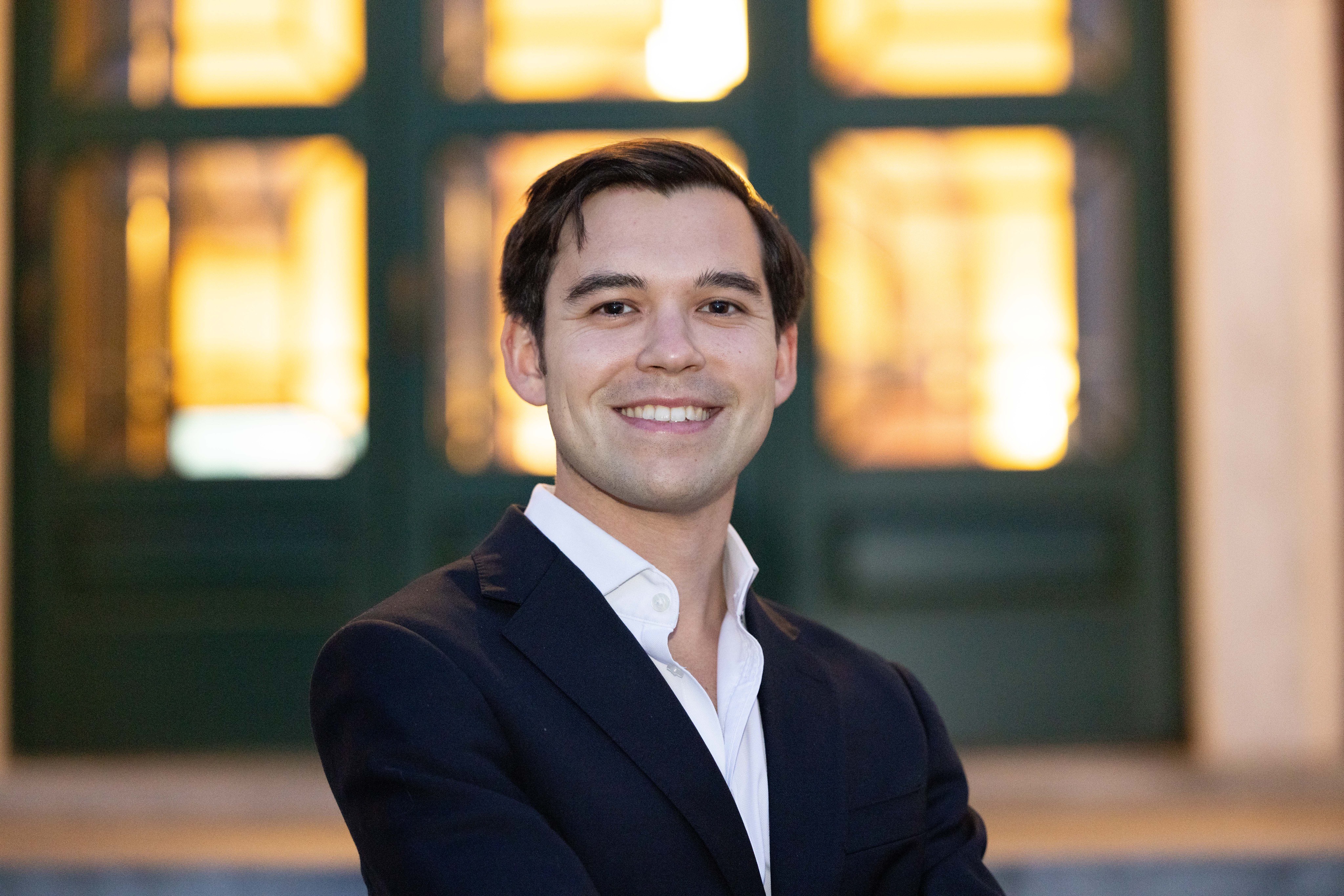
Sasha Zaroubin (MBA ‘27) is from London, UK. He studied History and Economics at the University of Durham before working in the Restructuring team at PJT Partners. He then moved to Fundflow, a fintech that helps small companies raise debt.


Comments