
Three-ish Out of Four

For the parents reading this at 4am: it's worth it
You figure out the trilemma pretty quickly after you arrive.
Most students at Harvard Business School are managing three things: academics, career, and social life. The trilemma is the unofficial orientation. Pick two, they say. You can be social and career-focused, but your grades will suffer. You can be academically sharp and networked, but you will miss the spontaneous dinners and ski trips. The trilemma is a feature, not a bug. It forces you to know yourself. It asks you, before you even open a case, to decide what matters.
What nobody tells you is that some of us are working with a "quadrilemma."
I am a husband and a father at HBS. That means family is not the fourth dimension, it is the first. And unlike the other three, it does not care about your recruiting timeline. It does not pause for finals. It calls at 4am when you have an 8:30am "required" discussion group sync and a 9:30am cold call coming your way. And somehow, it is still the best call of your day. So no, I am not choosing two out of three. I am trying to do three-ish out of four, with the most important one non-negotiable.
There is a particular kind of searching that happens in the first semester of business school. Brilliant, accomplished people sitting in Aldrich Hall quietly asking themselves: what do I actually want? The MBA is partly an academic program and partly a permission structure within which you can reimagine your life. That is a gift, and I do not say this dismissively. The searching is valuable.
But parents tend to skip that part.

Not because we have it all figured out. We do not. But the question of what matters has already been answered in the most concrete way possible. For me, there are two people at home who need me to be okay, who need me to succeed, and who will not remember the name of the case I nailed but will remember that I showed up for bedtime. That north star was there the moment my daughter arrived. While others are deciding what to optimize for, I am already optimizing. I am not wandering. I am moving with intention, which is its own kind of freedom.
I want to be honest about the costs, because the inspiring version of this story requires the honest one first.
I have left events early. I have declined invitations to happy hours I wanted to attend. I have sat in Spangler doing case prep while simultaneously calculating whether I could make it home before daycare pickup, and I have gotten that calculation wrong more than once. And I have had to be reminded, more times than I would like to admit, that being present at home means being actually present, not just physically in the room with a case open on my laptop. There is a guilt economy that comes with being a parent in an environment built for people with more discretionary time. Pretending otherwise would be a disservice to every parent reading this who knows exactly what I mean.
But here is what I have learned about the trade: every sacrifice has a known value on the other side. When I skip the networking dinner, I know what I am going home to. When I leave the section hang early, I am not leaving empty-handed. The trade is always lopsided in my favor, even when it does not feel that way in the moment. That knowledge changes how you carry the cost.
I believe most people at HBS are making trades. They just may not always know what they are trading toward. I always know.
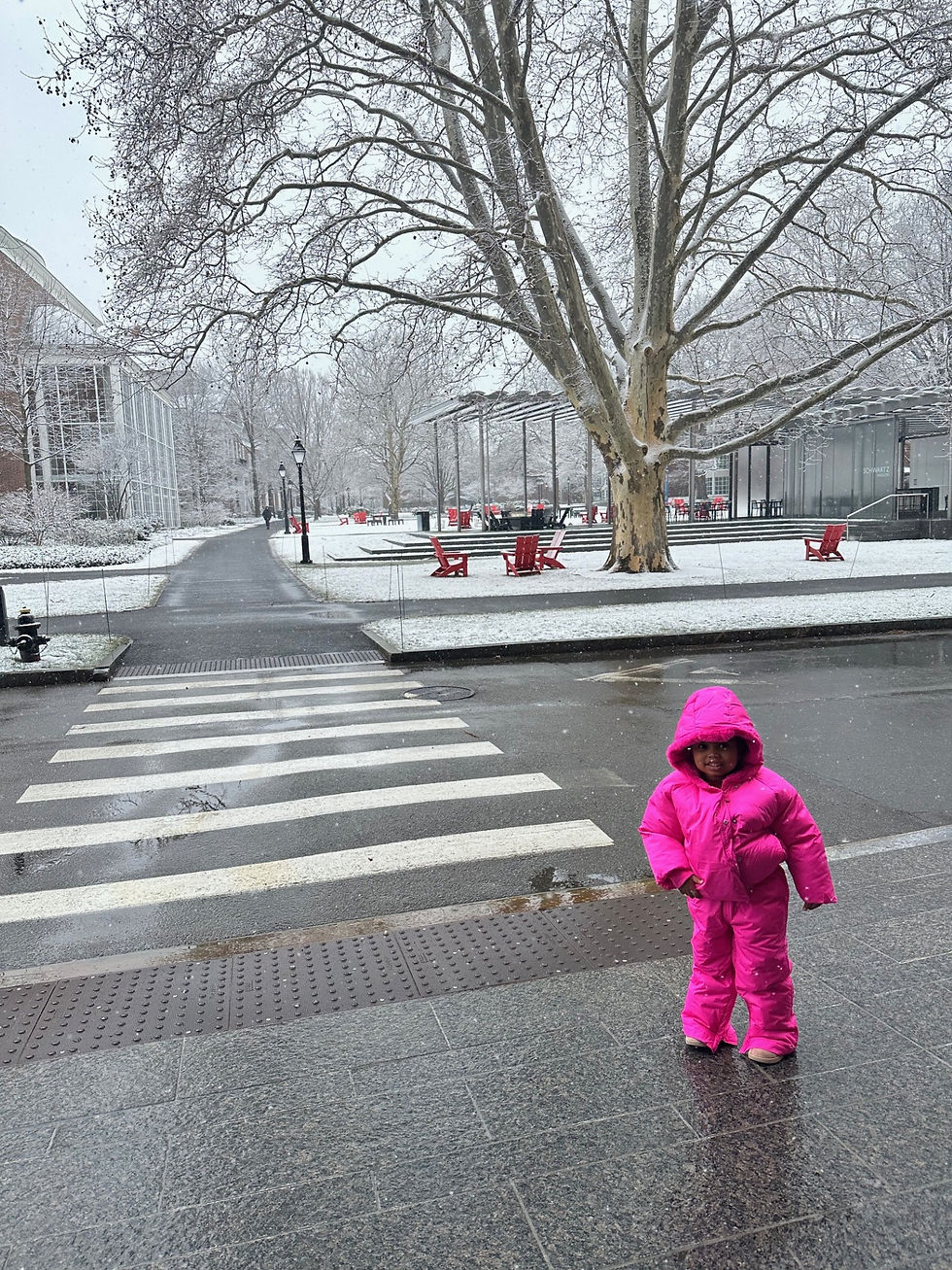
There is a version of this next part that turns parenting into a business metaphor, and I am going to resist that instinct, mostly. But I will say this: nothing in the case curriculum has tested my decision-making under uncertainty the way parenthood has. Nothing in LEAD or Strategy has asked me to manage a stakeholder with no rational framework, no patience for process, and complete emotional transparency the way a toddler does. Nothing in TOM has required the kind of just-in-time resource allocation that a working parent runs every single morning before 8am.
The case method teaches you to walk into ambiguity and make a call. Parenthood gave me reps before I ever set foot in Aldrich. I do not know if that makes me a better student. I do know that it makes me a different one. I come to class having already solved a problem that morning. My classmates are still warming up.
Here is what I want other HBS parents to know, and what I want everyone else to understand about us.
We are not behind. We are not sacrificing the experience. We are having a different one, and different does not mean lesser. The trilemma is a good model for most people. The "quadrilemma" is harder to manage, but it is also harder to lose sight of what you are building and why.
Business school promises to change the way you think. My wife and daughter changed the way I see everything else. That combination, demanding as it is, is the best education I have ever received.
I would not trade my three-ish out of four for anything.

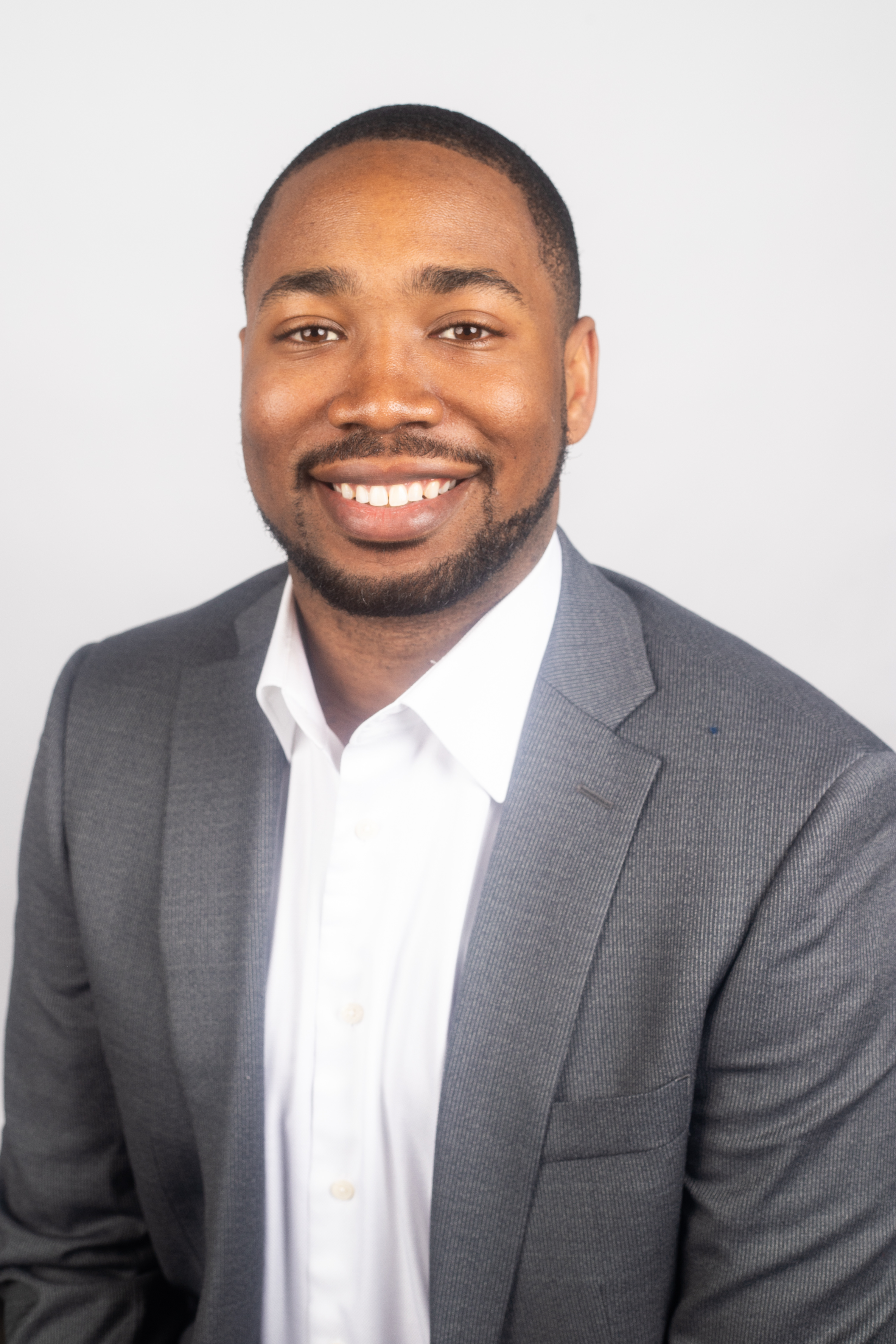
Chris Weathers, II (MBA ‘27) is originally from Fort Lauderdale, Florida. He graduated Magna Cum Laude from Morehouse College with a degree in Economics. Before HBS, he worked in equity research and investment banking at Truist Securities, venture capital at Greenspring Associates, and corporate development and strategy at UPS. He is pursuing Entrepreneurship Through Acquisition post-MBA.



Comments