
“17th Grade” at HBS Feels Like High School

Why the Great “RC Flu” in September was Largely Avoidable
During START week, the Class of 2028 was heartily welcomed by all the faculty and staff at HBS. Several ECs also made an appearance and talked about the beginning of “17th grade” (give or take a few years for several people, myself included), and we walked in with many aspirations about what the next two years would look like for us. What I didn’t expect was getting sick by week two of classes, just like so many others around me.
Dubbed the “RC Flu,” September marked a month where hundreds of RCs fell sick, some more than others. The crazy part is that when I say hundreds of students, I genuinely don’t think I’m exaggerating. I saw some students beginning to feel sick during the first week of classes. By the end of the second week, nearly half of my section was either sniffling, coughing, or blowing their nose during class. More weeks have come and gone, but the sniffling remains.
Now, there may be many reasons why people are falling sick right now. For some, the chaos of moving to Boston and starting our RC year has been tough. When you add a Labor Day trip and ten to fifteen cases per week on top of that, you have the perfect storm for the body to feel overwhelmed and shut down. For others, moving to Boston may mean interacting with an entirely different climate—it takes time to adjust. All these reasons are specific to each individual, but the problem really comes from people getting sick after exposure to others who are sick and contagious. This is where the RC Flu could’ve been avoided if our attendance policy wasn’t so stringent.
HBS highlights the importance of case-based learning and how the best way to make the most of it is being in-person. Furthermore, Section 2.3 of our MBA Student Handbook states that excused absences are limited to only 10% of classes each semester. That’s an average of three days per semester where we can list one of eleven different allowed reasons to miss class, and falling sick is only one of the eleven. I recall someone in my section asking if Zoom was an option to attend class if we were recovering from illness, and the response was an immediate no: either report an absence or come to class wearing a mask. Other rules allow a Zoom option if you have a doctor’s note, but they only apply to certain illnesses.
But what if someone is ill in your family or you have to attend a funeral? Suppose you have a religious holiday you want to observe, or—God forbid—you’re getting married during your MBA? There goes your allowed missed days; no room to fall sick, otherwise you risk academic referral. In our current RC scenario, students don’t want to lose sick days within the first few weeks. The only other option is coming to class sick and sitting in close quarters with 90 other people.
I know that HBS values in-person learning, and participation is often better when in-person. But let’s be honest with ourselves. When a person is sick, how much are they really getting out of class? Were they even able to read and comprehend the case before class and be ready for a discussion? What’s the real quality of learning if they get cold called and are struggling through an answer in their congested haze?
I was one of the people who got a cold during week two of class, but I felt pressured to come to class anyway regardless of how sick I felt. After all, I couldn’t lose one, or even two, of my excused absences so early in the semester. I’m sensitive to the cold, and I moved from the Southern states. I needed to hold on to those days for when it gets colder. That meant going to class with the goal of surviving the day. I didn’t care what class I had or what case I needed to read; I just wanted to get through it so I could go back home and take a nap. My body was so exhausted from being in survival mode that I knew if I closed my eyes for a little too long in class, I’d fall asleep immediately (kinda sucks when you sit in the front).
The other concern I have is around physical issues I could run into if I fell sick. Nobody wants to talk about it in detail, but several people have underlying health issues that can get exacerbated by something as simple as a common cold. I’m part of that subset group, and I’ll now be a little paranoid for the next month about whether or not I’ve triggered something worse. In the event that I do deal with something worse, I’ll definitely be getting an academic referral for missing multiple days. If students had a Zoom option, maybe it would’ve reduced the risk of me falling sick. If I had a Zoom option, I’d take it to ensure I didn’t get the people around me sick.
Now in all this, I recognize that not everyone fell sick because they were exposed to a sick person in class. Regardless of how it happened, we can all agree that our learning was affected even if we weren’t sick ourselves. Losing half your class to illness means missing so many more thought-provoking comments that could’ve challenged the way we see things. Quite frankly, I’m surprised at how quickly we moved on from memories of social distancing and isolation required for public health during the COVID-19 pandemic. Many of those requirements existed to ensure immunocompromised people were just as safe as the rest of the population. We may not be in an official pandemic anymore, but putting public health first is just as important.
When ECs jokingly told us, “Welcome to 17th grade”, I didn’t think we’d have actual parallels to high school through strict policing to ensure people are coming to class. Last time I checked, HBS was filled with high-achieving adults who want to do something impactful with their careers and make a difference in the world. We want to learn in the best possible environment, but we also want to make sure that that same environment is safe for everyone.
Giving us the option for Zoom allows us to still learn from the case method while ensuring we aren’t risking the health and wellbeing of the people around us. As adults, we can make our own judgment on our health and balance it with the importance of being in-person for class. And if some people do abuse a Zoom option, then the academic referral route is still around for enforcement.
Let’s make HBS a transformative and more supportive experience for everyone. It’s the least we all deserve in a post-pandemic world.

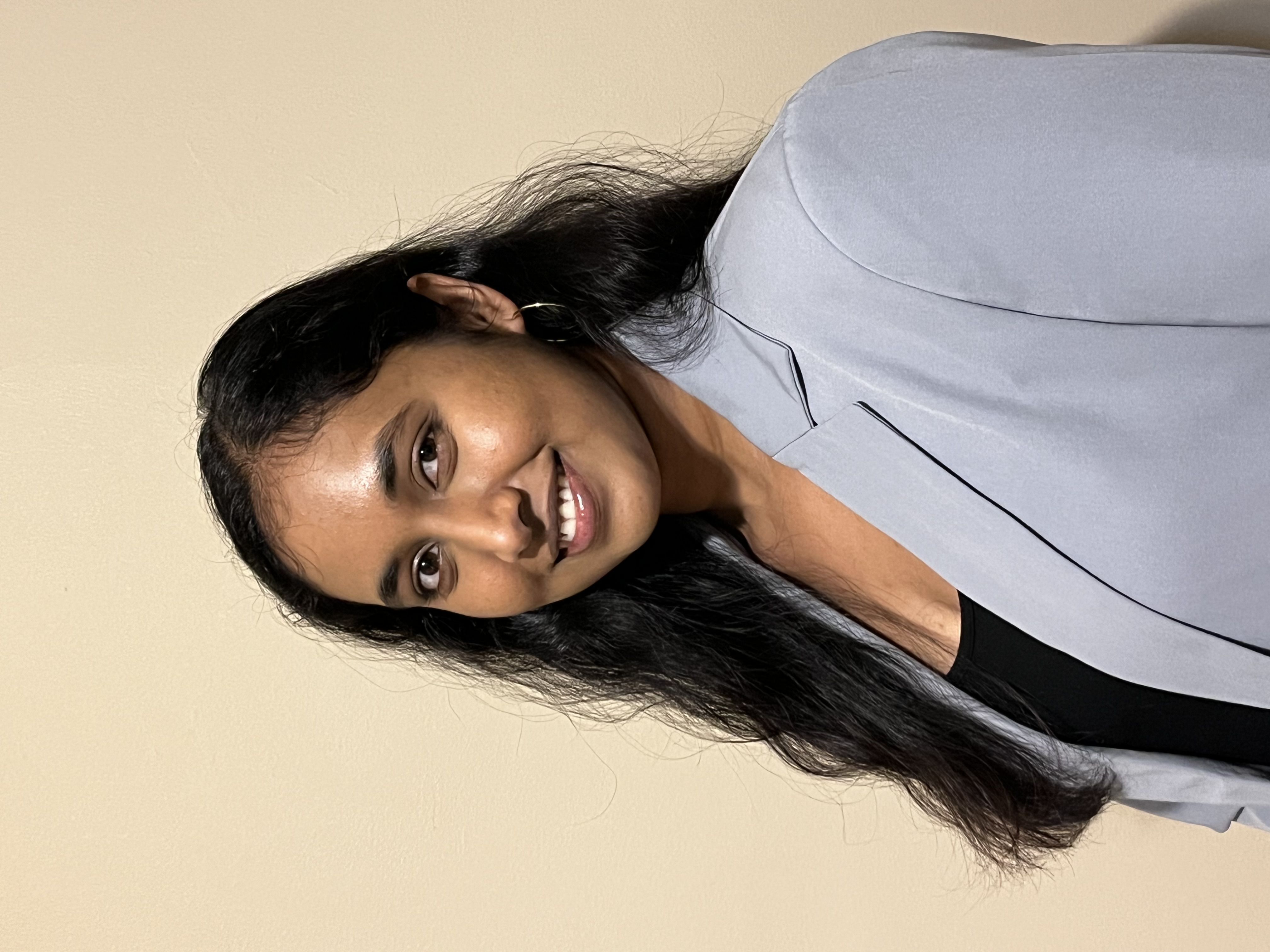
Sneha Sinha (MBA ‘28) is from Memphis, Tennessee. She finished her Bachelor’s and Master’s in Business Analytics at the University of Tennessee, Knoxville. Prior to HBS, she worked in Merchandising Analytics at the AutoZone Store Support Center in Memphis. Outside of work, Sneha enjoys reading and watching sports.



Comments