
Class of 2028 Lost FIELD Within Their First Two Weeks

Our initial pushback shifted the narrative for now
The first few weeks of HBS highlighted the immense possibility of achieving our wildest dreams and encouraged us to keep going for the legacy we want to create for ourselves. We came to campus with our goals to learn and influence the world for the better through business. However, as we spent the first few weeks acclimating to the case method, clubs, and our new peer groups, we received an email that changed how our RC year was going to end.
As we all know, the MBA administration announced to us that FIELD was getting removed from our curriculum. After popular protest against a lack of transparency and planning for the future, we received a poll a month later to identify our preferences for IFC options. Opposition proved effective in getting a better outcome for RC students, but there is still work to be done and awareness to be spread. We need to make sure the administration knows how we feel. Sharing a poll one month later doesn’t change that opinion.
Our initial opposition will get struck down if we don’t maintain our vigilance. The air has cleared for now, but this is the first substantial time our preferences are being recorded on this matter, and it’s still important that we use the poll to make our opinions known. If the administration wanted to, they could’ve easily forced this decision on us regardless of our pushback. The existence of a poll proves that our fight is working in this growing war of attrition. Their word isn’t the final word, our approval matters too.
For many, the chaos of school, clubs, and the onset of recruiting has taken our attention. For others, we might truly be satisfied by the recent response. From their lengthy delay in taking action, eventual acceptance is likely what the administration is hoping for. It only increases the importance of amplifying our voice to ensure we’re heard, both in this poll and through other mediums. If we don’t continue fighting, they can use these poll results to turn the narrative against us and claim we’re supportive of their decision-making process.
In case you need a refresher on the events of the FIELD removal so far, here’s a recap on what happened:
On September 9th at 8pm, everyone in the Class of 2028 received an email from our Curriculum Chair, Charlie Wang, about a decision made regarding our programming. FIELD as we know it is going away, and it will be replaced by Immersive Field Courses (IFCs) that are currently offered during our EC year. FIELD was a required capstone experience where students were randomly assigned to teams and partnered with a company to complete a project for them. In May of RC year, students would travel on site to the company to conduct market research and analysis, which culminates into a final presentation to the company. This project often prepares students for the type of work and experience to expect during their summer internships.
The administration shared that their decision to end FIELD was driven by how the MBA program has evolved and naturally become more global over time, reducing the need for this required capstone. Additionally, many students arrive at HBS from around the world with diverse international experiences; that, coupled with countless student-led treks, already support the school’s mission to cultivate global leaders. Lastly, professors with in-depth expertise will lead IFC courses, where students can target a certain career area or geographical region and, according to the administration, thus get more out of these courses compared to FIELD.
Our initial reaction was shock and, to some extent, betrayal. For many students, this was an international experience they were looking forward to. For many students, this was an opportunity to explore different industries and roles when they didn’t know where to start. For many students, FIELD’s setup—being assigned a random team and company rather than segregating via self-interest— would help RCs discover things they’d never thought about. Think about how HBS creates sections: they put together a group of ninety students with various professional and personal backgrounds into a classroom so we can learn from each other. If FIELD is an extension of the RC experience, then why are we straying from that diversity of thought?
Over the next several weeks, MBA curriculum leadership came to each section classroom to further discuss and explain the rationale behind the FIELD decision. Some points they made seemed contradictory to their initial email, like they were still polishing their answers and putting their story together.
The administration claimed that none of their decision-making was influenced by the current political climate. Yet the email to the class listed out the many reasons why students might not participate in FIELD during the RC year such as “health considerations,” “family responsibilities,” and “the new and changing visa guidelines.” Last I checked, the ambiguity of visa guidelines is a direct result of the federal government's added restrictions; sounds pretty political to me. What happened to HBS putting students first? Was the administration not committed to fighting against political prowess and ensuring students got the experience they came for?
They also talked about the vast amounts of data they had to support their decision. When we asked for their results, we were simply met with a vague answer about how well collected the data was and how helpful it was for them to make a sudden, concrete decision. We wanted to understand the rationale behind the decision, but we instead were blocked out. If the confidence is so high in this data, then we'd love to see it and understand what questions were asked and what responses were prioritized the most.
Lastly, while they mentioned the possibility of our class having two fully subsidized IFC experiences in place of FIELD, there was no actual plan in place on what that revamped program looks like. So many questions were asked at that time on when we’d get additional info, what IFC offerings will be in place, and if it’s possible to have IFC options available as early as May of our RC year. However, all our inquiries generated the same general responses: “thank you so much for your important question”, “we’re working on getting the details together”, and “we’ll let you know as soon as we know more”.
In these section meetings, we continued to get pandered to, and the administration’s answers continued to gloss over what we really cared about knowing. The overall tone from leadership was “We know what we’re doing, and we make the decision on what benefits you the most. Just accept what we offer”. We’re all adults capable of incredible achievements (our resumes can speak for us), and we can make sound decisions on what we want. Talking down to us like we’re children doesn’t reduce our friction, and it won’t quiet our dissent. It only increases our frustration on the matter and reduces the goodwill between the administration and the students.
A month later, on October 5th, we received an update in the form of a poll for potential IFC experiences. Along with it came a promise for more updates sometime in November. In case you haven’t filled it out, the link to the poll can be found here.
Ultimately, only our consistent criticism and feedback on the current IFC layout and FIELD decision led to a more concrete timeline set for the future. When the administration began the section check-ins, there was a broad perception that IFCs were not really being considered for May 2027. By the final check-ins and the resulting poll shared with us was a sign that the administration is listening and hoping to work with us. Some students might still be upset with the decisions made, but general consensus has seemingly calmed down.
I truly believe the HBS faculty and administration want to do what’s best for us. But I also recognize that this entire process wasn’t relayed efficiently or clearly with the people directly affected: the Class of 2028. I understand that this decision was made with prior data collected (that we have no visibility on), but rushing to make this decision and randomly telling us sent us a signal: we were assets to be managed. In life, we won’t always have the freedom to do only the work we like, and FIELD gave us the opportunity to adapt and effectively react to an environment we didn’t directly choose. This is a valuable skill that sets people apart by testing their resilience.
We signed up for certain experiences when we came to HBS, and they were suddenly changed right after we arrived. Though we are new arrivals, we are well bought into what HBS can offer (my decreasing bank account can attest to that). As adults paying a hefty sum to be part of this institution, we must always have a say in what happens next.
There are still more than a few unknowns. While we finally get to share our preferences in detail through the poll, we are still in the dark on what will eventually be offered. Though we recognize the late olive branch extended to us, only time will tell how effective it ends up being. As goes the administration’s response, so goes the situation: it continues to change and evolve. All I ask is for my classmates to maintain awareness about what’s happening and to use our voice for dissent if necessary. If nothing else, it’s been clear in this situation that our voice, when we make it clear, is valuable—it does not land on deaf ears, so keep an eye out for what happens in November.

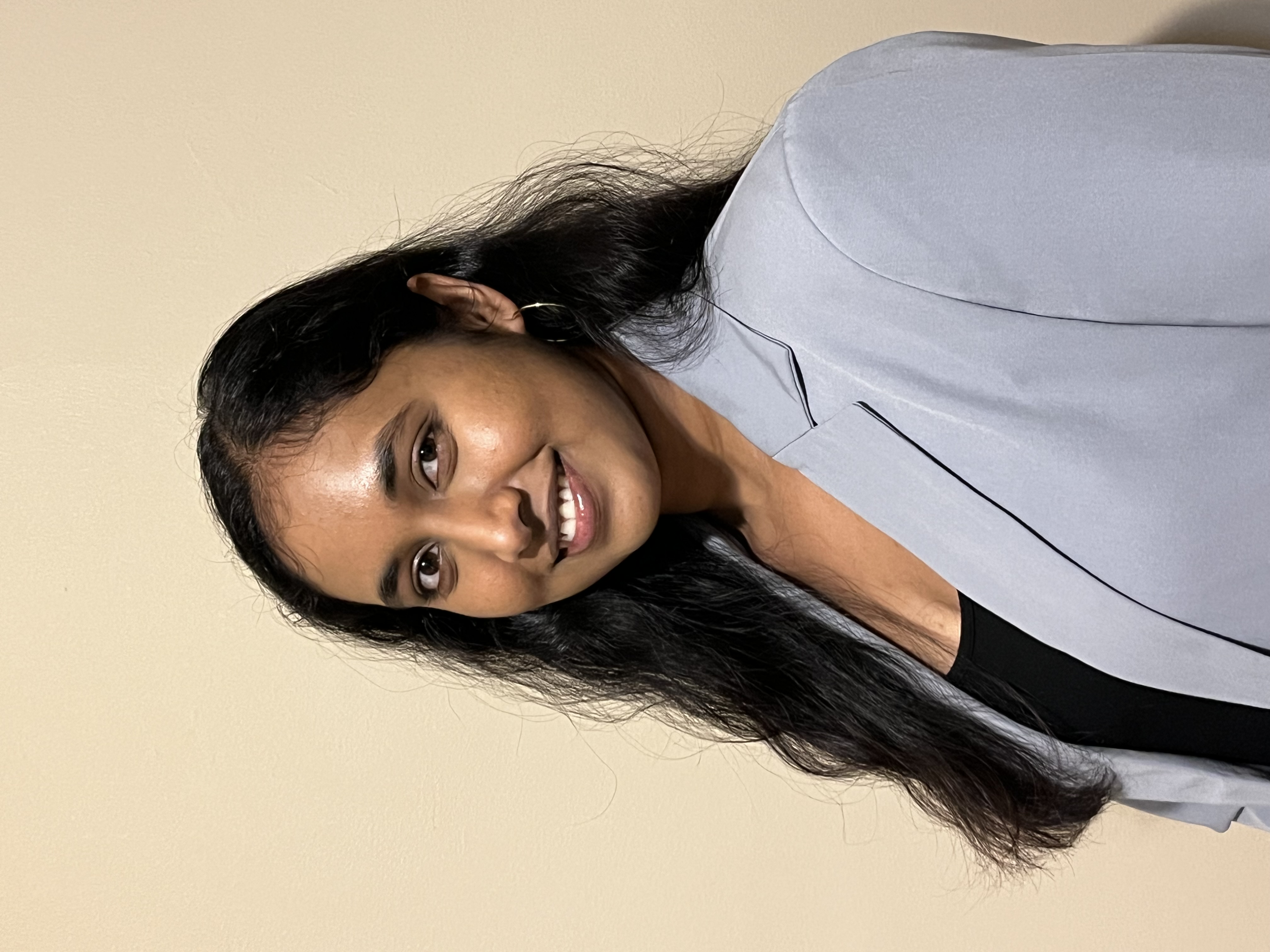
Sneha Sinha (MBA ’28) is from Memphis, Tennessee. She finished her Bachelor’s and Master’s in Business Analytics at the University of Tennessee, Knoxville. Prior to HBS, she worked in Merchandising Analytics at the AutoZone Store Support Center in Memphis. Outside of work, Sneha enjoys reading and watching sports.


Comments