
Become a Parent
The case for having kids sooner than you think
I have read a surprising number of news headlines that share an increasingly negative sentiment toward the current state of the world. Housing costs, AI taking jobs, climate change, war. All of these are worthy of concern even though humanity has faced versions of these problems before. My biggest concern, however, is around something that feels new: how these sentiments are affecting the decision to bring children into this world.
That scares me because I believe here and now is the best time ever to be alive. We humans have yet to find a problem to which we don’t at least have a partial solution. If you were born a mere 200 years ago, you would be without refrigeration, penicillin, and have a forty percent chance of dying before your fifth birthday. So, why are we seeing so much pessimism?
Reflecting, I believe our issue is that we fail to see the struggle of generations prior. We will never know a world without rapid access to health care or government assistance programs for the old, young, poor, and sick. Unlike our grandparents, we’ve never had to live under a nuclear standoff balanced on a hair trigger. These achievements were not gifts; they were hard fought. The introduction of Social Security payments in the U.S. dropped the elderly poverty rate in the early 1900s from nearly eighty percent to less than five percent today. We are living longer than ever. We have not had a multi-continent war in eighty years. NASA just successfully tested a mission to stop the world from being destroyed by an asteroid. The world is safer, healthier, and more humane than at any point in human history. To whom do we owe this great fortune?
People.
People made that happen. And we need more of them. For the economy, for new ideas. If you have more people, you get more Einsteins, more Hoppers, more Jobs, more Van Goghs, more Elons. But what happens if we stop there or slow the pace of bringing people into this world? Most developed nations are already below the 2.1 births required for population replacement. Do we get more medical breakthroughs? Do we solve poverty? Do we get clean fusion energy? Sure, artificial intelligence will accelerate discovery, but what about true breakthroughs? AI has not made that leap yet, and for now, must still be trained on what we know.
Here is the question worth asking: would your child have it worse than someone born a century ago? My answer is an unambiguous no. I recognize this decision is much more personal than that. So, here is why I think you should seriously consider starting to have children sooner than you think:
Having children is fundamentally a choice about optimism versus pessimism. Perennial optimism is the only trendline we have in history, and there is no reason to think it should not continue.
Like starting a business, there is never a perfect time, and you will never feel fully ready.
You will have your kids for more years than you won’t have them, and you will always want more. Starting now gives “future you” pride and joy.
You will literally live longer, as parenthood extends life expectancy.
You can share your hobbies with your kids. It is not that long before they can swim, bike, ski, dance, and do all the things you like to do. The best day of my life (after our wedding, Hayley) was taking my son skiing for the first time and watching him immediately pass out in the car on the way home.
Life’s greatest pain is losing a child (Abraham Lincoln reportedly never recovered from losing his son, Willie, to typhoid), a risk that has been dramatically reduced because of our modern medical care.
If your parents didn’t have you, you wouldn’t be able to do all the awesome things you’ve gotten to do. Do that for someone else: your kids.

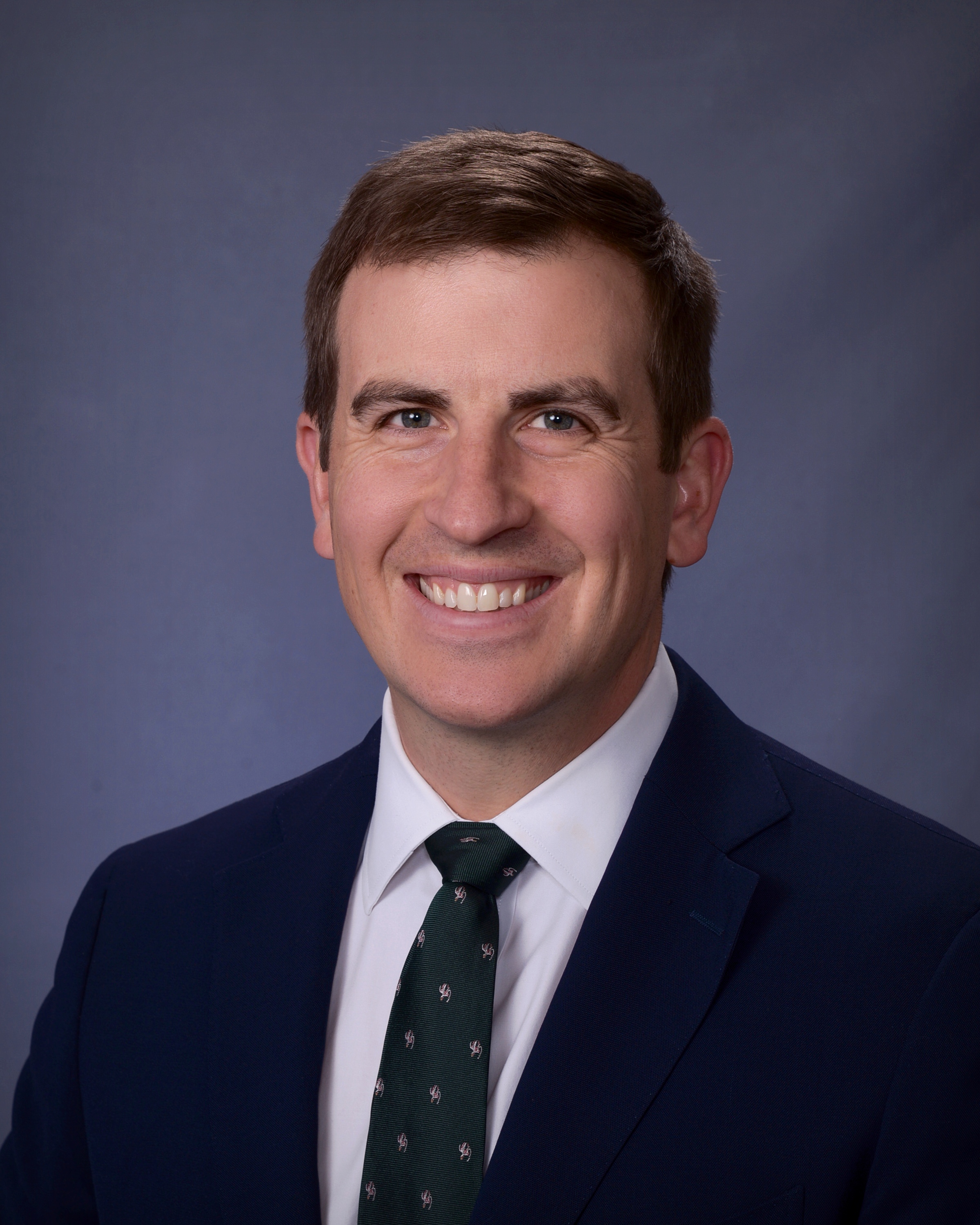
Tom Rakus (MBA ‘26) is originally from Pompton Plains, New Jersey. He graduated from Stevens Institute of Technology in Hoboken, NJ with a degree in Business Technology. Prior to HBS he spent a decade in the U.S. Navy as a pilot and congressional liaison and started his career with UBS in New York City. He is married with three children.



Comments