
We Aren’t Curious Enough

Why we should be making a fool of ourselves more often
Remember when we were toddlers and we would ask questions about every little thing we saw or heard? Adults around us would lose their minds over the nonstop barrage, but curiosity was our biggest weapon. “Why?”, “How?”, “What?”; asking these questions unlocked possibilities our little brains could never have imagined, and our appetite—to learn, to understand—only grew from there. Better yet, if those questions led to trying something new, then our excitement knew no bounds. Behind every question lay a story waiting to be told or an interesting skill or fact to learn. Somewhere along the way, we stopped asking questions and wanting to learn.
I played tennis growing up, and my interest first piqued thanks to the Nintendo Wii. As a seven-year-old kid, my favorite evening activity was taking a stroll with my dad into the mall near my home in Houston. One evening, the mall had several Wiis set up for people to come and play. I never had any video games at home, so I was excited to jump in and play Wii tennis. As I kept playing, my dad noticed how quickly I was picking up the controls and beating all the adults around me. My initial question of “Can I play the Wii?” led to my dad asking, “What if we play the real game?” A few days later, we picked up $20 rackets and tennis balls from Walmart, and I stepped foot on a court for the first time. We sucked, but I loved swinging a racket.
Over the years, my love for the game grew, and I continued to put myself out there on the court. I tried new things, failed, made a fool of myself, and was embarrassed at times—but I kept going, and it led me down the Division I route. So much of my mindset and drive comes from those experiences, and it fuels so much of my future goals and why I came to HBS. It also made me a very obsessed tennis viewer, and it’s been a great conversation starter to relate to other people in the Class of 2028.
Another sport I found myself interested in during my initial run of grad school was Formula One. A long-time fan urged me to watch "Drive to Survive" on Netflix, which got me interested in the sport. The high-stakes dramatization of Formula One in the show got me hooked, and I soon found myself following the season in real time. I don’t even have any interest or knowledge in cars (despite working for a car parts company), but my interest in Formula One strategy kept me in the loop. Wanting to learn more, I went to my local library and found a fascinating book on the history of the sport titled “The Formula” by Johnathan Clegg and Joshua Robinson. While I still don't have much interest in cars, per se, my fascination with Formula One opens an avenue to connect with other motorsport fans. Those connections, fueled by a similar curiosity, prove to be far more meaningful.
Today, curiosity feels surface level. We may be intrigued by something, then we proceed to Google it or ask ChatGPT for a quick answer. What began as a potentially intriguing question ends with a buttoned-up answer. No digging deeper, no follow ups, no rabbit hole to go down. It now feels like conversations have gone down the same routes with the same few topics, and there’s not many more layers to peel in people's personalities.
To be fair, there’s nothing wrong with going back to something familiar in certain situations, it’s necessary to seek that when we really need a mental break. But I’m here to urge you to keep digging and learning about things that truly make you curious, not just the things that everyone else is raving about. If an obscure reference intrigues you in a movie, go Google trusted sources and articles about it. Watch a YouTube video about it or find a documentary that covers the main details. Better yet, go visit a library and get lost in the literature covering it. In today’s increasingly technological world, information is always at our fingertips. Worst-case scenario, you learn about something you realize wasn’t that interesting to you. Best-case scenario, you develop niche knowledge that pushes you to keep learning or even pick up a new skill.
Humans are social creatures, and we thrive on community and mutual support. To build that community, we need to have conversation and relatability, the kind that could teach you something new or enrich your life in some way. The more we learn from each other, the more our lives will be enriched. That isn’t possible if we aren’t enriching ourselves with new knowledge and skills.
If I still haven’t convinced you to learn or try something new yet, then let me give a more scientific reason why you should. Last year, Harvard Health shared an article on cognitive health, defined as “the ability to think, learn, and remember effectively.” It also defines neuroplasticity as “the brain’s ability to adapt and require itself” and how training your brain to increase neuroplasticity can directly improve your cognitive health. In the article, they mention that “maintaining cognitive fitness involves a combination of mental, physical, and social activities.” In listing out the ways you can increase neuroplasticity, we see the usual suspects of physical exercise, nutrition, and good sleep, but we also see things like trying something new. Learning a new language, engaging in a creative hobby, and attending concerts, museums, or plays were all listed as ways to support cognitive health. In other words, having the curiosity to pursue something new improves your quality of life for a longer time.
As I journey through my time at HBS, I am acutely aware of how my own curiosity, directly and indirectly, brought me here. In reading through hundreds of cases and learning from my peers, I sincerely hope I continue to learn the how and why of the decisions those leaders made. I truly believe that’s the only way we can make the most of the case method and effectively apply it in our own lives.
I’ll leave you with one last thought to ponder. A clip on the popular reel series “Subway Takes” led me to a comment made by Austin Butler that I can’t get out of my head. “Embarrassment is an underexplored emotion, so go out there and make a fool of yourself.” Oftentimes, we stop ourselves from pursuing something further because we don’t want to look silly or foolish for messing up or being “obsessed” with something. But if it really brings you joy, who really cares how other people perceive it? My biggest motto for the next two years is to do something different, try new experiences, and to look foolish doing it. It’s why I decided to become a Harbus editor despite having no professional writing experience. It doesn’t change my past achievements or who I am as a person, but it just might add more layers to the onion of my personality and help me form deeper relationships with the people around me.
So go out there, really learn something, and make a fool of yourself. You’ll either hate or love what you learned, and you may never try it again. Either way, you’ll have more knowledge on the other side, so just enjoy the ride.

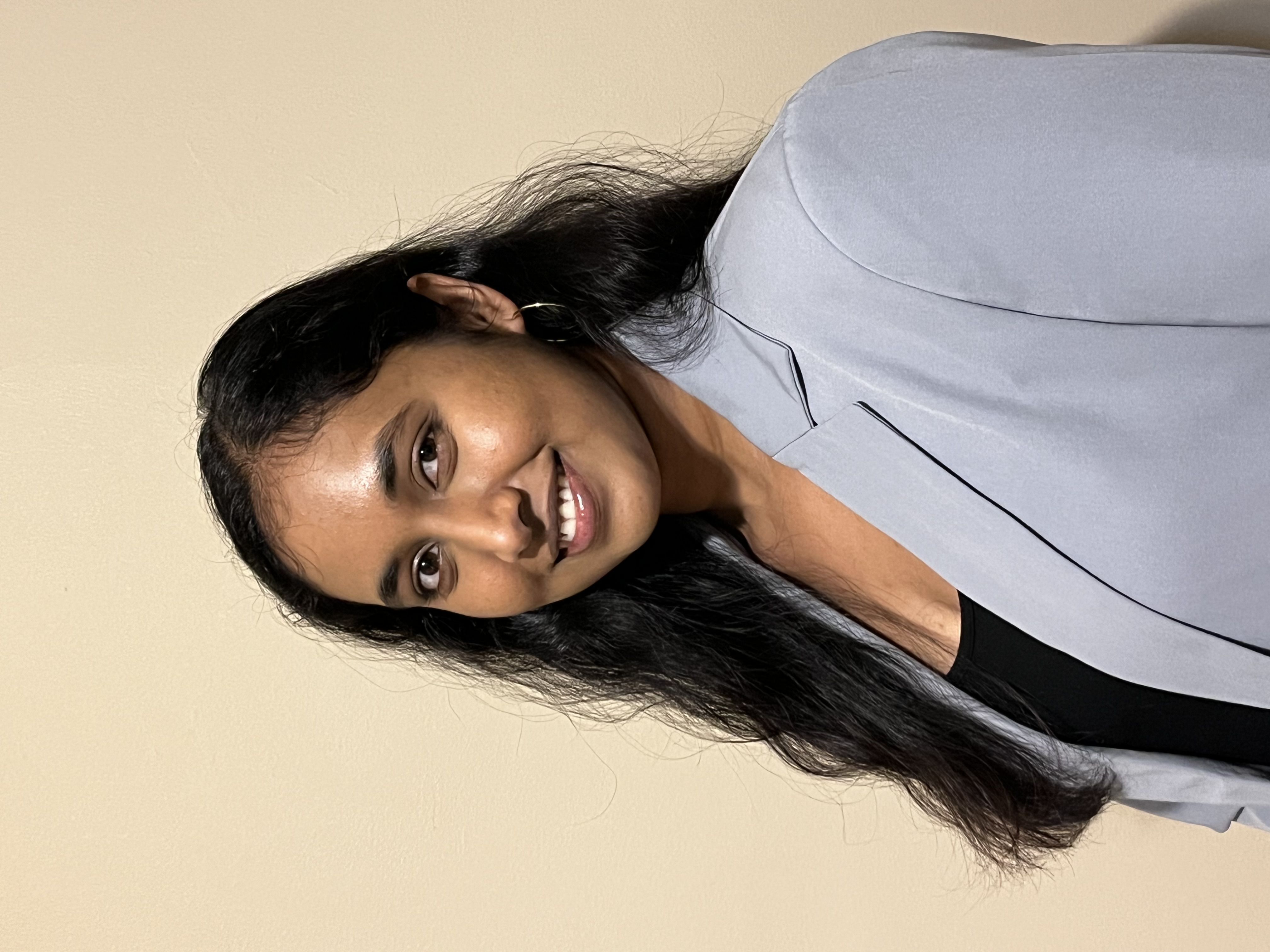
Sneha Sinha (MBA ‘28) is from Memphis, Tennessee. She finished her Bachelor’s and Master’s in Business Analytics at the University of Tennessee, Knoxville. Prior to HBS, she worked in Merchandising Analytics at the AutoZone Store Support Center in Memphis. Outside of work, Sneha enjoys reading and watching sports.



Comments